Schedule A Free Consultation | (630) 991-8700

June 22, 2026 •Brian Hogan
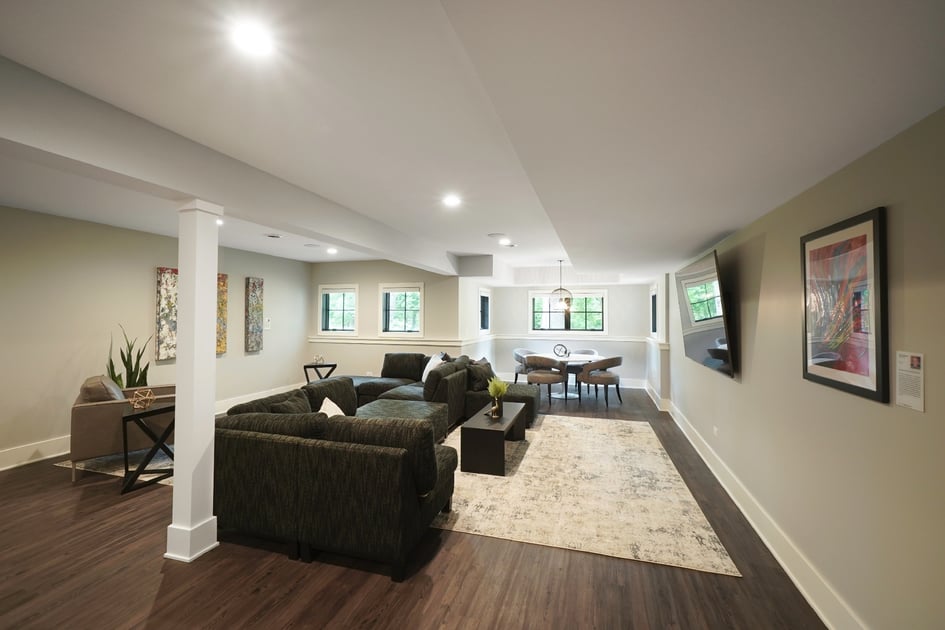
Although people often think of basements as dark and enclosed, they can actually be bright and open. Daylight basements are a prime example of how thoughtful design can turn a below-grade space into an inviting part of your home.
In a daylight basement, at least one wall includes large windows that give the basement a greater sense of connection to the outdoors. In addition, the influx of natural light makes a finished basement feel more spacious and dynamic.
In this post, I'll cover what you need to know about daylight basements, including how they are different from walkout basements. I'll address their pros and cons, best uses, design tips, and other key details that can help you decide if you want to pursue this alternative to a typical basement.
What Is a Daylight Basement?
A daylight basement is a level of your home that is partially underground but has one or more walls that are partially exposed, allowing for full-sized windows that let in natural light.
Unlike a traditional basement with small or no windows, a daylight basement better approximates an above-grade living space. That allows the lower level to be a flexible space with more diverse uses and designs.
Daylight basements tend to work best on sloped terrain, but window wells and below-grade openings make a daylight basement design possible even when the surrounding grade doesn't fully expose the wall.
Daylight Basements vs. Walkout Basements
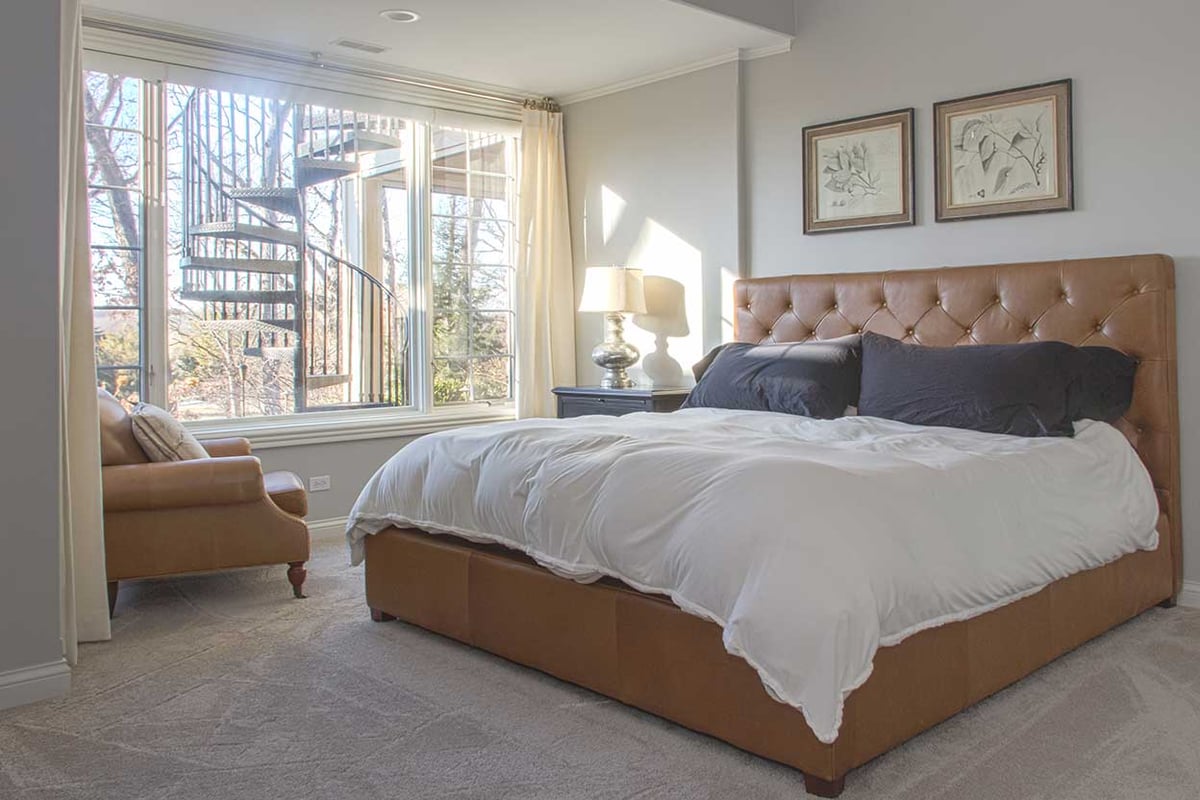
The key difference between a daylight and walkout basement is exterior access. A walkout basement includes a door at ground level, typically on a sloped lot where one side of the foundation is fully exposed. A daylight basement has one or more windows on an exposed wall to let in light, but it doesn't provide direct outdoor access.
Walkouts are often preferred by homeowners and home buyers because the exterior door makes the space feel like a true ground floor. That gives a sense of additional livable square footage, and it also creates options for indoor-outdoor connections, such as to a yard, patio, or outdoor kitchen.
However, walkouts require more significant grade changes and site work, which drives up construction costs. Daylight basements offer many of the same livability benefits at a lower installed price point, especially on flatter lots.
Advantages of Daylight Basements
The main benefits of a daylight basement include:
- Natural light: Windows can help transform a basement from a storage or utility area into a genuine living space. With sunlight coming in, rooms feel bigger, more comfortable, and more appealing for all types of uses.
- Easier installation on flat lots: Where a walkout isn't feasible, a daylight basement is often the most practical way to design a basement that doesn't feel closed-in and dark.
- Egress compliance: Daylight basements make it easier to meet local regulations for egress windows in bedrooms, opening up options for guest suites or additional bedrooms without major structural work.
Disadvantages of Daylight Basements
The main drawbacks to daylight basements include:
- Drainage and waterproofing: The window wells and wall penetrations that let light in also create potential entry points for water. To avoid mold growth and water damage, you need proper drainage and waterproofing.
- No direct exterior access: A daylight basement doesn't offer a walkout door, which means you'll have to exit through the stairwell up to the main level. The lack of an exterior door also limits some uses, such as a rental unit with a separate entrance.
- Property tax impact: Finishing a basement into a livable space or extra room may increase your property's assessed value, raising your tax bill.
Daylight Basement House Plans and Practical Design Tips
A major factor affecting your basement design is the slope of your lot. It determines how much of the basement wall can be exposed and where windows can be placed. During the design process, an experienced remodeler can help you understand what's realistic, including by consulting with a surveyor or architect if necessary.
You can maximize natural light by placing the largest windows on the most exposed wall and then positioning primary living areas to face those windows. Orient activity rooms like family rooms, home offices, or gyms toward the largest windows. Relegate closets, storage space, and mechanical systems (water heaters, HVAC equipment, etc.) to interior corners away from the primary living areas so they don't eat into your best-lit space.
Place bedrooms along walls where egress-compliant windows are possible. This is a code requirement, and your project will get stuck in permitting if you don't account for egress requirements.
Along with the floor plan, think about ceiling height. Nine-foot ceilings make a basement feel like a main floor, while standard eight-foot ceilings can feel tight once ductwork and lighting are built in.
Best Uses of Daylight Basements
Daylight basements can be flexible and dynamic, so there's no universal "best" use. That said, some popular options include:
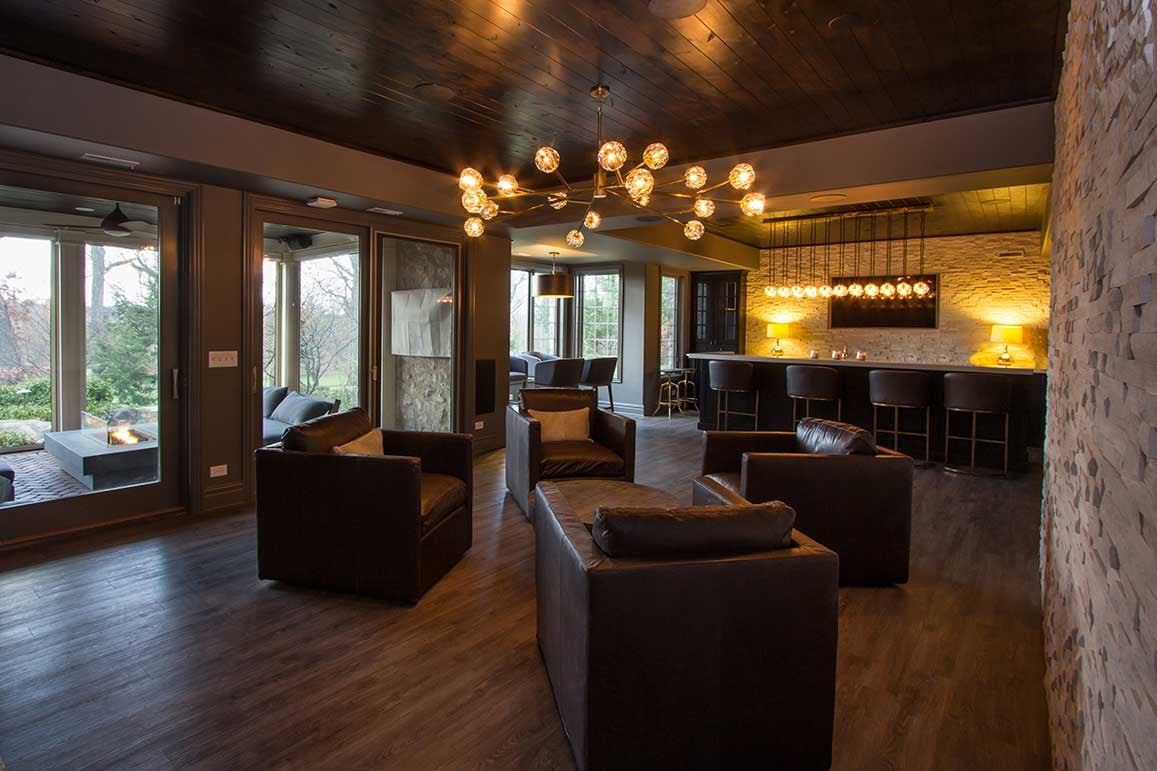
- An inviting living room: You can make your basement a functional and visually appealing gathering space with comfortable furniture and features like a kitchenette or wet bar. Game rooms with billiards or a ping pong table are also a popular choice for gathering places in a daylight basement.
- Guest suite or extra bedroom: Adding a bedroom (including one with an en suite bathroom) is one of the highest-value uses of a daylight basement. Having egress windows already in place simplifies the process of putting in a new bedroom.
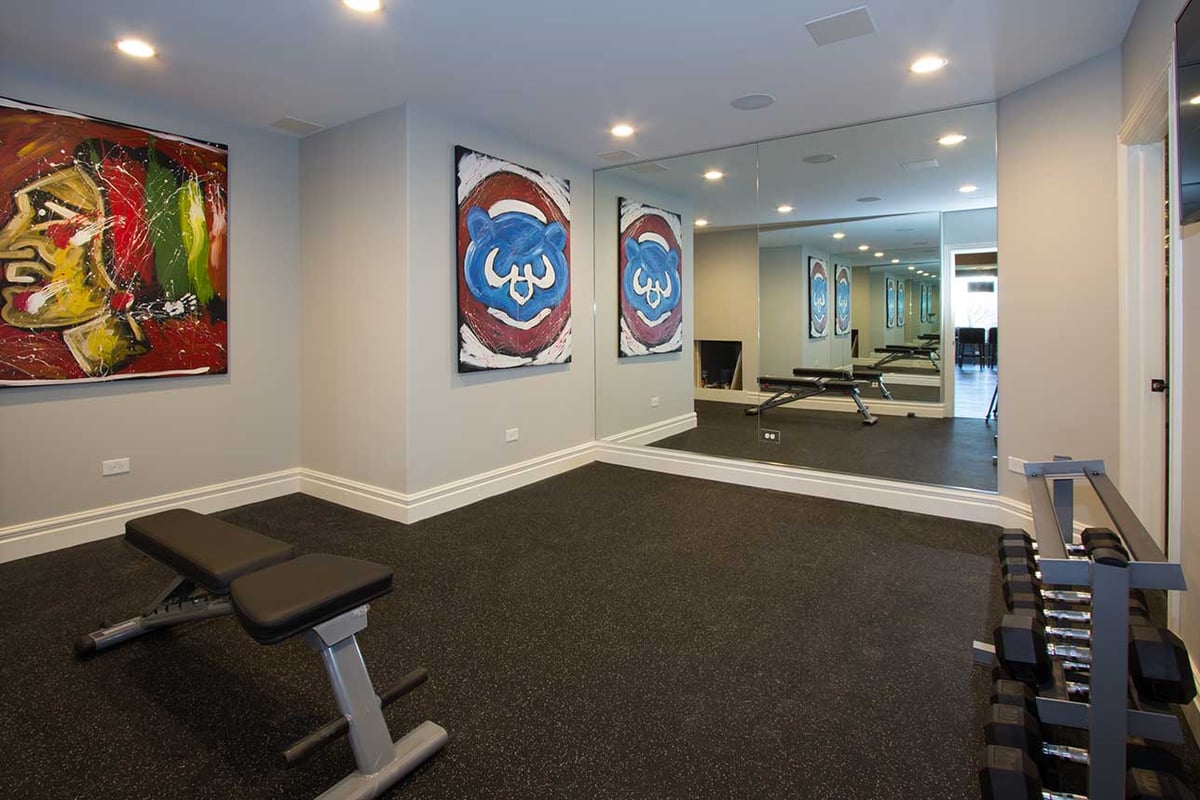
- Home gym: Below-grade spaces handle rubber flooring and heavy equipment well without disturbing the floors above. Having natural light streaming in can also make working out feel more enjoyable and less like a chore.
How to Decide Between a Daylight Basement and a Walkout Basement
Deciding between a daylight and walkout basement usually comes down to three factors: site slope, budget, and intended use.
If your lot has enough natural grade change, a walkout gives you the most flexibility and resale value. If the lot is flatter, a daylight basement provides many of the same benefits at a lower cost.
Think about how you'll use the space. If you need a separate entrance for a rental unit or want direct backyard access, a walkout is the better fit. For a home gym, guest suite, or general living space, a daylight basement will serve you well.
For complex sites or ambitious floor plans, consult an experienced remodeler or architect before committing. The cost of professional guidance upfront is small compared to the cost of discovering site limitations after construction has started.
Creating Your Perfect Basement Remodeling Plan
There's no one way to finish a basement. Instead, the design should be tailored to you, including your lot, your family's needs, and your stylistic preferences. Done with thoughtful planning and attention to detail, you can get an outstanding result with a daylight basement, walkout basement, or even a more traditional basement built to exacting standards.
At Hogan Design & Construction, we specialize in custom remodeling. Our design-build approach means we handle every step of the process, allowing us to fully understand your vision so that we can create an amazing design and then turn the design into a reality.
We've been serving homeowners in the Chicago and southern Wisconsin region for 25 years, and we'd welcome the opportunity to discuss your remodeling plans. Contact us today to schedule a free consultation and learn more about what we can build together.