Schedule A Free Consultation | (630) 991-8700

September 21, 2026 •Brian Hogan
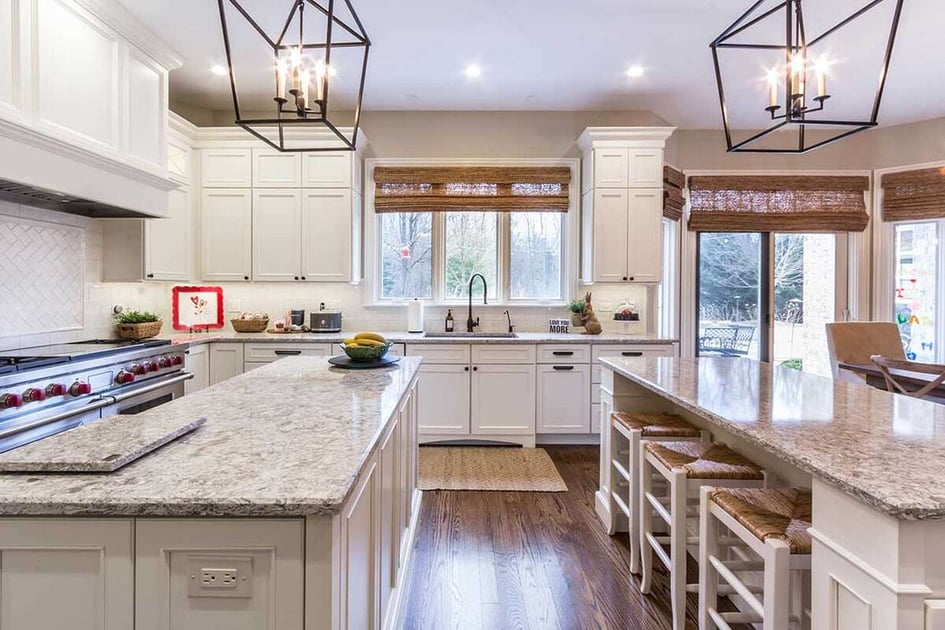
Kitchens are the most complicated rooms to renovate, not just because of all the things that need choosing (the countertop, the appliances, the island, the cabinets, the pantry) but because of how all those individual choices come together. This guide will lead you through all the big decisions, drawing on all the practical checklists our team has put together for homeowners who are planning a kitchen project.
Finding the Right Countertop
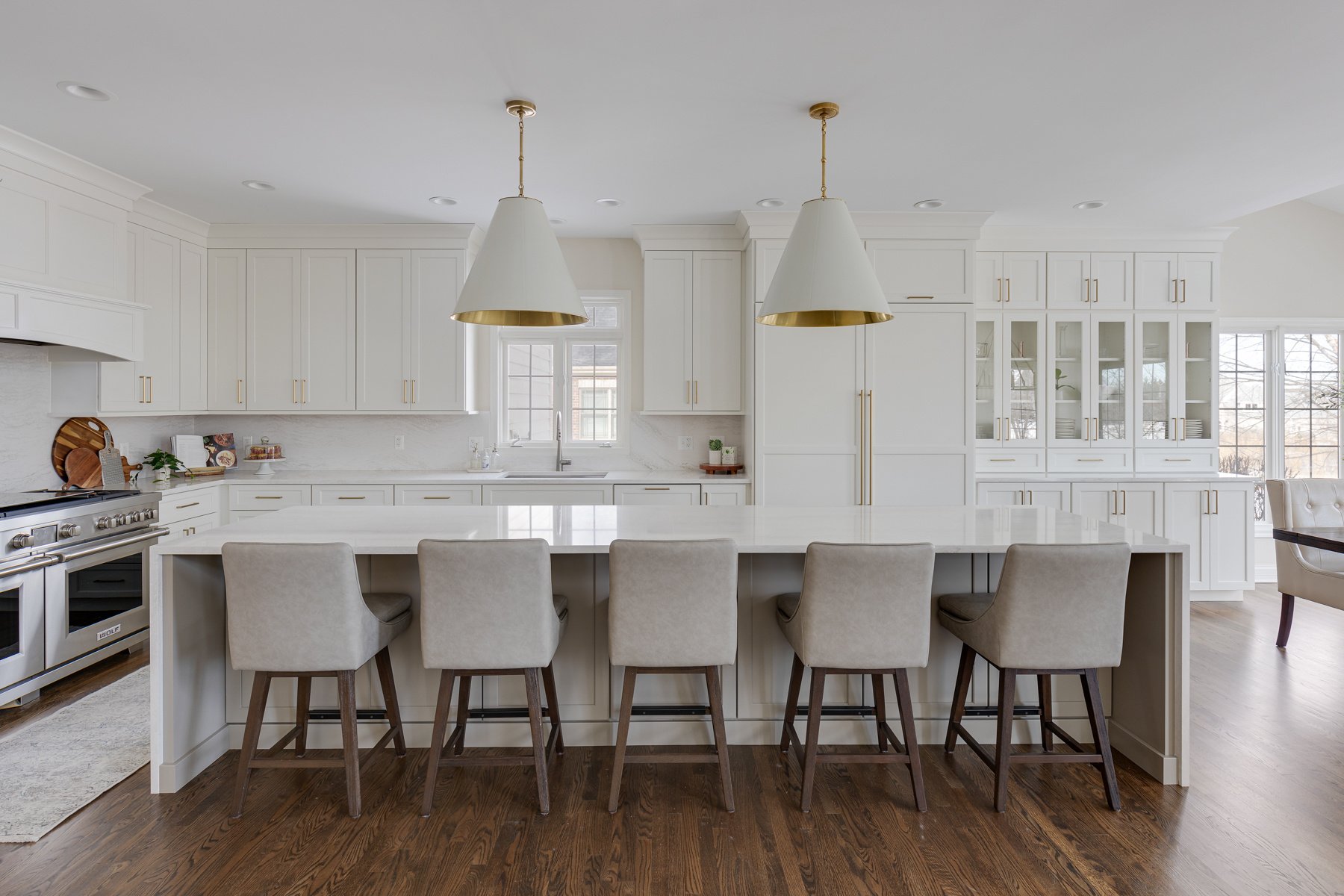
The countertop is basically the glue that holds the whole kitchen together, and with the range of options we have today, you don’t have to stick with granite or laminate.
- Granite. A stone that’s as natural as can be and has that luxurious look and feel. The best part is that it’s resistant to both heat and scratching, and it comes in endless colors and patterns.
- Quartz. Raw quartz crushed to a powder and bound with resin into a non-porous, durable surface that’s basically impervious to stains and scratches, and cleaning it is a breeze. Quartz doesn’t require periodic resealing like most natural stones do.
- Marble. It’s a real looker, but bear in mind that it is softer than granite and needs to be sealed regularly to stop it staining and scratching, which can be a real hassle.
- Solid surface. A material made from polyester or acrylic resin. It’s seamless, it can be repaired super easily if it ever gets scratched, and it comes in all sorts of different colors.
- Laminate. A plastic panel over particleboard. It’s cheap, low-maintenance, and comes in plenty of colors, but it just can’t compete with the natural look and feel of stone.
- Butcher block. Made from solid hardwood (often maple or oak), it gives your kitchen a homey feel, but be aware that it will need regular sealing to prevent it from developing water stains.
- Concrete. It is durable and heat-resistant, and you can customize it however you want, though you will need to seal it regularly to keep it looking its best. Concrete is more labor intensive and as such is a relatively uncommon choice.
- Soapstone. It’s naturally heat-resistant and stain-resistant, and softer than granite, so it gets this really nice patina over time. If it does get scratched, it’s easy to sand out. But it does get scratched.
- Tile. Tile is a cheap and relatively straightforward option to install, but the grout lines do need more upkeep and cleaning.
- Stainless steel. It’s heat-resistant, durable, and easy to clean. If you’re going for that industrial or modern look, it’s a great choice.
To narrow down the options, think about your budget, the style you’re going for, how much time and effort you’re willing to put into the kitchen, and just how often the kitchen is used. Before you make a decision, spend some time handling physical samples. What looks and feels best to you? Like all materials choices, countertops are a personal decision.
Choosing the Right Appliances
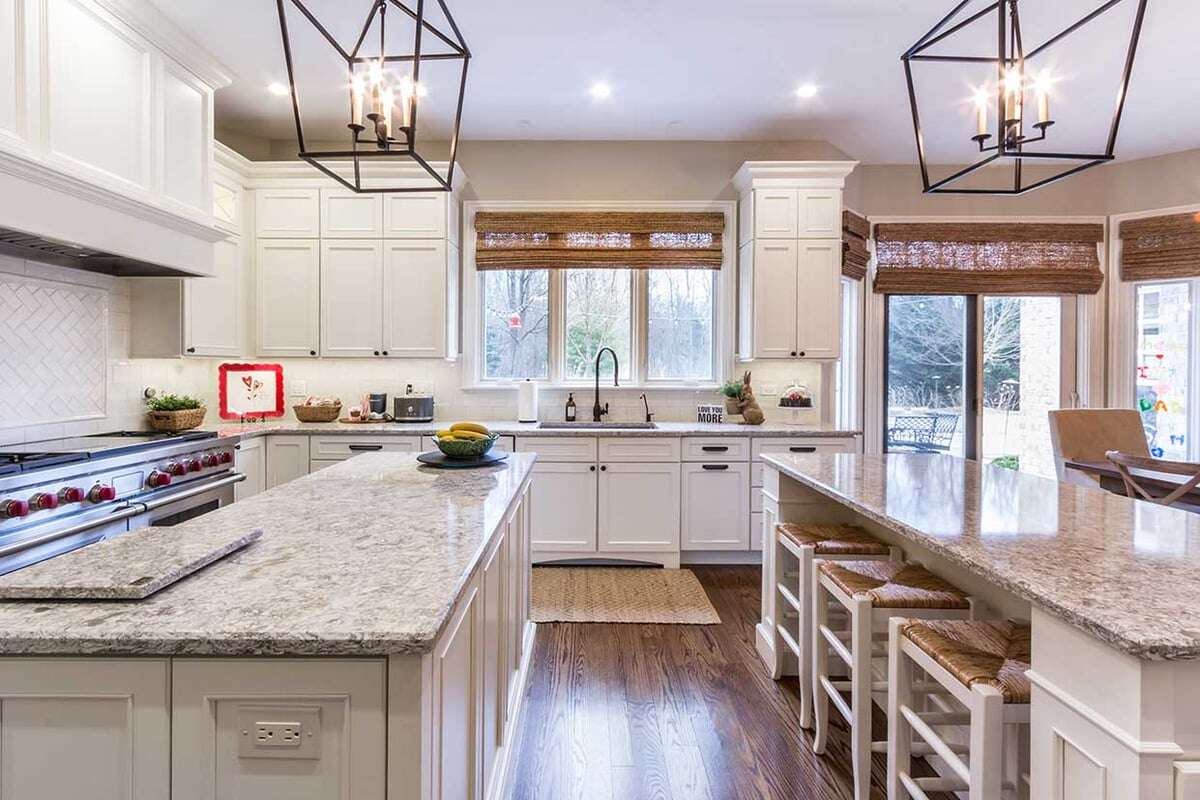
The appliances in the kitchen have a massive impact on how efficient and how well-designed it is, and even how much your house will be worth when it comes to selling it. So where do you even start? You need to work out a budget, because they can range from pretty cheap to extremely expensive, and then take into account the layout of your kitchen and what space you’ve got available before deciding on the sizes. Then there’s the actual types of appliances you want. For example:
- Refrigerator. Side-by-side, French door, bottom-freezer, or top-freezer. The choice is yours.
- Oven/range. Do you go for gas, electric, or induction, and do you need a separate wall oven?
- Dishwasher. Compact or standard-sized, or maybe you don’t need one at all.
- Microwave. Do you get a microwave built into your range, a countertop microwave, or no microwave at all?
- Ventilation hood. Do you need a big hood to get rid of all the smoke and fumes, and will it match the style of your kitchen?
- Extras. Do you need a warming drawer, a trash compactor, or even a wine cooler?
Beyond the basics, you can look for appliances that are energy efficient, which will save you money on your utility bills, and also make sure the finish matches the style of your kitchen. (Black, white, or stainless steel are the most common finishes, but there are also custom finishes available, like ones that match your cabinetry.) Check out a brand’s track record on reliability and customer service, and think about what features actually matter to you, like convection cooking or touchscreen displays. Also consider whether noise level is an issue, because your kitchen might open onto a living area. One last thing to check is whether all the appliances will fit your kitchen’s power or gas supply. Make sure you get a good warranty, and check whether you’ll have to pay extra for local service.
Kitchen Islands
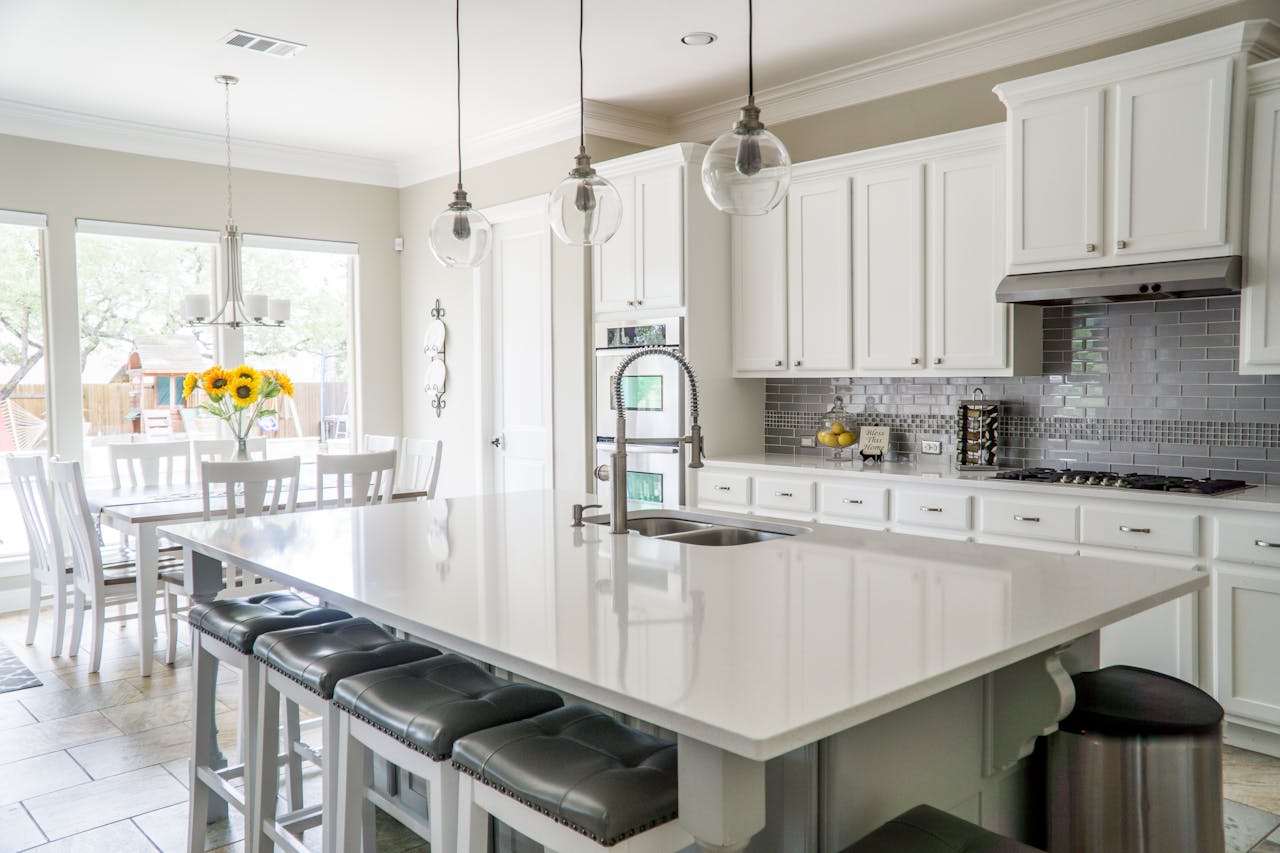
A well-designed kitchen island is more than just extra counter space. It becomes the heart of the kitchen, the place where everyone gathers. There are plenty of different options to think about. For example:
- Rectangular. The most common shape, with plenty of counter space and room to sit on either side. Ideal for bigger kitchens.
- L-shaped. Great for corners, and creates separate zones for cooking, prep, and entertaining.
- Galley. A long, narrow shape that fits perfectly into a smaller kitchen without eating up floor space.
- Peninsula. It’s attached to one side of the kitchen, gives you some more counter space, and opens up the kitchen to the room next door.
- Round or oval. A softer, more space-efficient option for smaller kitchens that can still seat a few people easily.
Beyond shape, think about what your island needs to do: will it be a storage hub, with drawers and cabinets to tuck all your essentials away, or an open shelving solution to keep things feeling airy and uncluttered? Will you need an integrated sink, cooktop, or dishwasher to make cooking a breeze? Seating with bar stools is a great option if you want to create a casual dining space. Don’t forget to think about how the island fits in with the rest of your cabinets: do you want it to match, or stand out as a statement piece? Standard island height is around 36 inches, but you can adjust that to fit your countertops or seating area. Just make sure to leave enough clearance all around so people can move with ease, and finish the look with some pendant lighting or spotlights overhead for a little drama.
Pantry Design
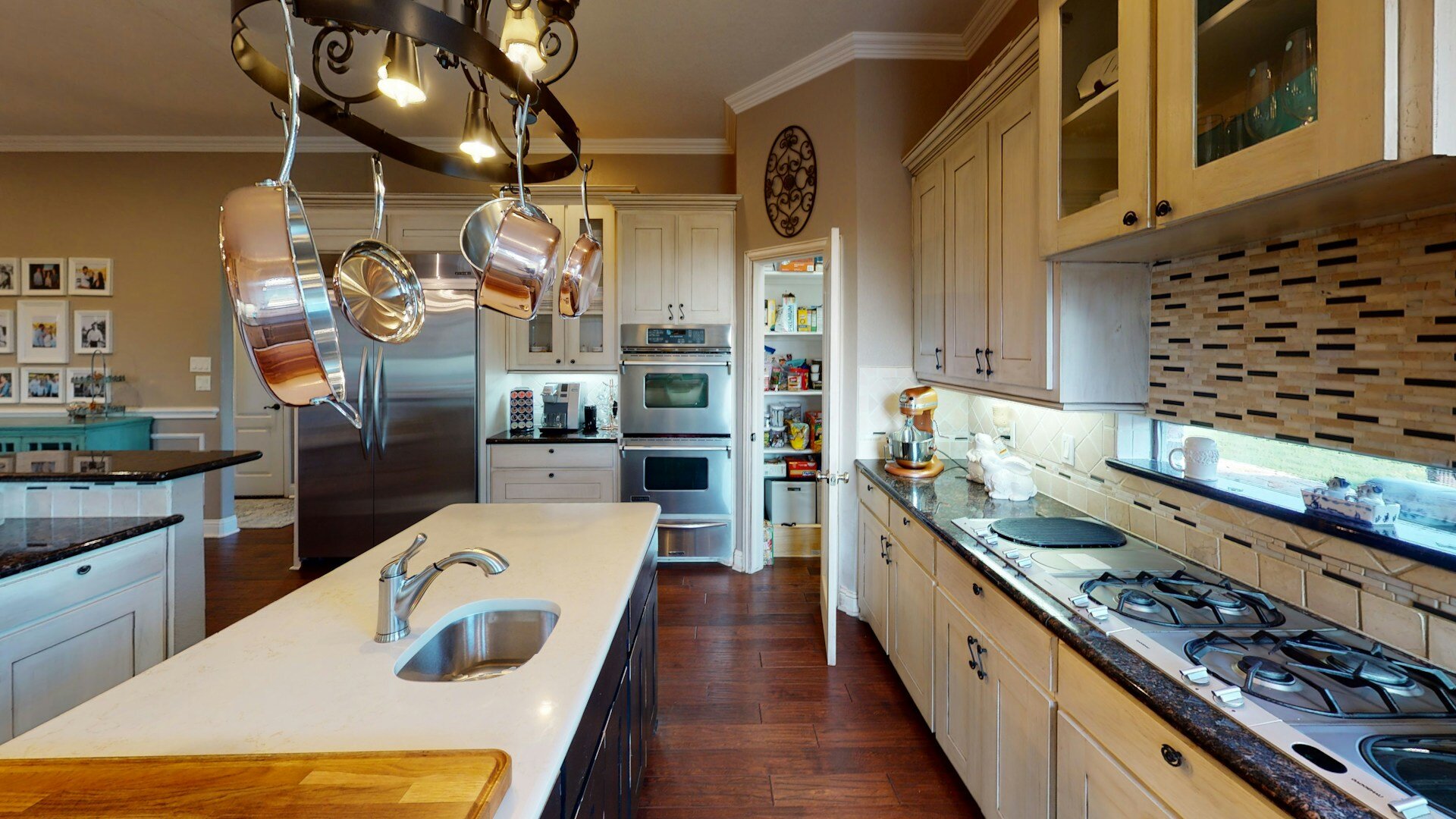
An organized pantry is a game-changer for any kitchen. It can make all the difference in terms of efficiency and getting the job done quickly. So where do you start? First off, think vertical: get those floor-to-ceiling shelves or cabinets up, and use corner shelving or a Lazy Susan to make the most of those tricky corners. When it comes to drawers, pull-outs make a big difference. You can see and reach whatever’s stored in the back without having to dig around.
Once the shelving is in place, it’s time to get organized. Group similar items together (baking supplies, spices, canned goods, etc.) and label everything so you can find what you need in a heartbeat. It also helps to get rid of any duplicates and keep things tidy. Transfer all your dry goods like grains, pasta, and nuts into airtight containers. Not only do they look more organized, but they’ll also stay fresher for longer. Don’t forget about dividers and shelf risers; they’ll keep your items from toppling over and make better use of the space. Get your most-used items at eye level, use adjustable shelving to fit changing needs, and make sure the space is well lit so you can actually see what you’ve got on the back shelf. If you’ve got the space, consider a pull-out pantry system to add some extra storage without taking up too much room. Open shelving is a great option if you want to make the space feel light and airy, but only if you can keep it clutter-free. If you prefer to hide your mess, closed cabinets (or glass-front ones for a middle ground) are also a great option. Take inventory regularly, rotate stock so older items get used up first, and clean the pantry out every now and again to keep pests at bay and keep things fresh.
Organizing Kitchen Cabinets
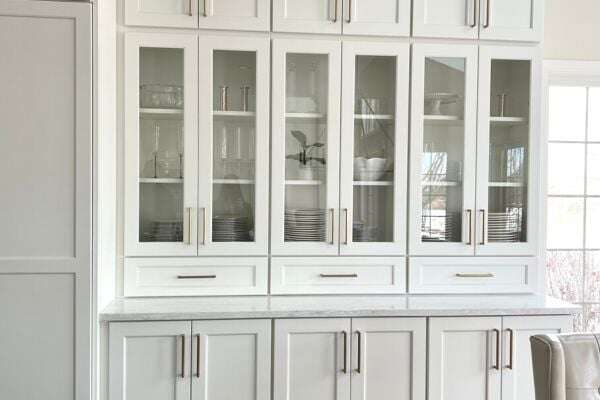
Cabinet organization is one of the quickest and easiest ways to give your kitchen a refresh, and it’s something you can do even if you’re not planning a full remodel. So where do you start? First off, empty everything out of your cabinets and sort the contents into categories (baking supplies, pots and pans, pantry items, etc.) so you can get a good idea of how much space each group needs. Be ruthless about getting rid of anything you haven’t used in the past year, anything that’s broken or expired, and then clean the empty cabinets before you put anything back in.
Next, measure the space and pick the organizers that’ll work best: shelf risers to double up on vertical storage for dishes and canned goods, adjustable drawer dividers for utensils and gadgets, pull-out shelves or baskets for deep cabinets, and hooks or racks on the inside of cabinet doors for lids and small tools. Clear, stackable containers can keep dry goods fresh and visible at a glance. Get your most-used items at eye level, group by function (all baking supplies together, all cooking supplies together), and label your bins and containers so everyone can find what they need. Keep your countertops clear of clutter and use them for just the essentials, and don’t forget to re-evaluate the system every few months to make sure it’s still working for you. Make a rule of returning items to their place right after use, and only bring in new purchases if you get rid of something old. A simple one-in-one-out rule will keep the whole system from getting cluttered up again.
Thinking about a kitchen remodel? Hogan Design & Construction has been helping homeowners in Geneva, St. Charles, Batavia, and the western suburbs do just that since 2000. Check out our kitchen remodeling portfolio, take a look at our kitchen remodeling pricing guide, or schedule a chat to talk through your project. We’d be happy to help you make it happen.