Schedule A Free Consultation | (630) 991-8700

February 9, 2026 •Brian Hogan
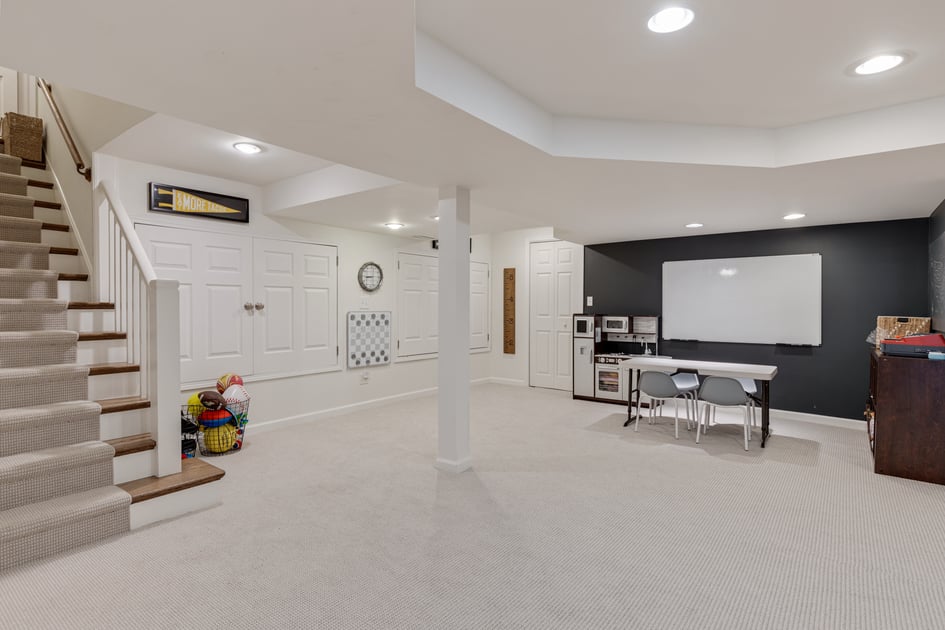
When evaluating a home to buy or the home you live in, a thorough basement inspection is a must to identify potential problems and prevent costly repairs later. It's also an essential step in maintaining a safe and healthy home.
What Happens During a Basement Inspection?
Basement inspections are all about detecting leaks, moisture, mold, cracks, pests and foundation issues—problems that can impact indoor air quality and the overall structural integrity of the house.
When a professional does a basement inspection, they're looking out for signs that water or moisture is getting in where it shouldn’t. They will be looking for a musty smell or other evidence of hidden dampness, a leak, or potential mold growth.
They’ll also be checking the basement walls and foundation for cracks—horizontal, vertical, diagonal and stair-step cracks—along with any staining, damp spots or other signs of water damage.
Who Performs a Basement Inspection?

A professional home inspector has years of experience and knows exactly what to look for to give you a detailed rundown of a basement’s condition. While a professional home inspector will give you a neutral, unbiased opinion, other home improvement professionals may offer basement inspection services, such as:
-
Basement waterproofing companies
-
Foundation repair contractors
-
Mold remediation companies
-
Radon testing and remediation companies
-
Drainage or grading contractors
-
Home remodeling firms
-
Plumbers (if there are concerns about leaks, sump pumps or sewer line leakage issues)
-
Structural engineers (when there may be serious foundation problems)
-
Pest control companies
-
HVAC contractors (if there's a concern about humidity and ventilation)
While there are many pros out there who can conduct a basement inspection, you, as a homeowner, are in the unique position of seeing your basement every day and spotting issues as they may arise. The checklist I provide below is designed to help you do a preliminary check yourself, so you can spot any potential problems early on.
When to Call in the Pros

A word of caution: If you do notice any signs of water ingress, mold, structural problems, or other potentially major issues on your DIY basement inspection, it’s really important to get a professional in to ensure that you get the right diagnosis and any necessary remediation. And if your home is in an area that's prone to radon, be sure to get it tested ASAP.
Basement Inspection Checklist
As you can probably imagine, the trained eye of an experienced inspector will pick up on any of the above issues, but as a homeowner, you can give a first look too, if you know what to look out for. Check the items below and get a pro to follow up on anything that looks off.
1. Check for Structural Integrity

-
Look for any signs of structural damage—foundation cracks, bulging walls, and rusted metal supports, for instance, which can compromise the safety and stability of the house. If anything looks questionable, get it evaluated and repaired right away. Sistering a floor joist or adding a support column is far less expensive than dealing with your entire house settling.
-
Check the condition of support beams and columns for any signs of damage or decay, which can impact the structural integrity of the house.
-
Run your eye down the length of your floor joists. They should be straight and not sagging.
2. Check Your Sump Pump
-
First off, check if your basement even has a sump pump. (Many don’t.) Look for a covered "well" that houses the pump, usually located in a low corner of the basement floor. The sump pump's job is to collect and remove excess groundwater that accumulates beneath your foundation, keeping your basement safe from flooding and water damage.
-
Give your sump pump a test to make sure it’s working as it should and not clogged with debris, which can cause basement flooding. You should be testing the pump especially before rainy seasons to ensure it activates when water rises and effectively pumps it out through the discharge pipe. To test, just raise the float switch and you should hear the pump kick in.
-
Check the discharge pipe for any blockages or damage. The pipe should be directing water away from the foundation to a safe drainage area, preventing water from pooling near the house.
-
Make sure electrical connections are secure, and the pump is connected to a reliable power source, preferably with a battery backup to keep it going during power outages.
3. Check Your Plumbing System and Fixtures
-
Take a look at exposed pipes for any signs of leaks, corrosion or damage.
-
Check your water heater to make sure it’s been installed properly and is being well-maintained. Water heater tanks usually only last around 8 to 12 years before they start to leak. If it’s not in an area with a floor drain, then make sure it’s sitting in a proper drain pan.
-
Test the water pressure and flow rate to make sure it’s within a safe and acceptable range.
-
Check for any blocked or slow-draining drains, which can cause basement flooding.
4. Assess Air Quality

Evaluating the indoor air quality in your home is a pretty simple process and can be done by checking for signs of mold, mildew, and stale air.
-
Take a close look at the ventilation system to make sure its functioning properly and providing a good flow of air. Specifically check the return air ducts: Are they open and not blocked by boxes, storage bins, or anything else?
-
Keep an eye out for any signs of condensation or water dripping down your windows & walls. This could be a sign of poor ventilation, or your home's moisture levels are too high.
-
Use a humidity tester. It's an inexpensive tool you may already have. For basements, the ideal humidity level is between 30-50%. If it's higher, you might want to think about investing in a dehumidifier. This alone might help sort out that musty basement smell you've been trying to get rid of.
-
Check for any signs of pest infestation. Look for droppings or nesting materials which will eventually dry out and become airborne.
-
If you live in an area where there's a high risk of radon (such as here in southern Wisconsin and Northern Illinois), get an inexpensive radon test kit. If your levels are high, seek professional help ASAP for the sake of your family's health and safety.
-
Keep an eye out for visible signs of mold & mildew. These can be black, green, grey, white, or brown spots or slimy, fuzzy, or powdery patches on surfaces. Unless you have specific mold sensitivities, a visual check is usually enough to determine if you have an issue. You can always pick up a DIY mold test kit if you want extra peace of mind.
5. Check Your Insulation and Climate Control
-
Check your basement insulation for any signs of damage, compression or gaps. Pay particular attention to your rim joist. If it's not already insulated, then get it sprayed with expanding foam to save on energy bills.
-
Make sure your climate control system is working properly and maintaining a consistent temperature to stop moisture from building up and reducing the risk of mold growth.
-
Take a close look at your windows and doors to see if there are any air leaks or gaps. You can use a burning stick of incense to spot drafts you may not feel.
-
Check your furnace & air conditioning units to see if there are any signs of malfunction. Get an annual inspection and maintenance service call from a qualified HVAC company each fall. For more tips, see our annual home winterization checklist.
5. Send Pests Packing
-
Check for any signs of pest infestation. Look for droppings, nesting materials, or actual pests themselves.
-
Also check for any signs of damage caused by pests, such as chewed wires or damaged insulation.
-
If you do spot evidence of pests, take a closer look at any cracks and crevices where they might be getting in and seal them up.
-
Start off by tackling the problem yourself with DIY pest control measures like traps or repellents, but you may need to bring in a professional pest control company if you don't have success.
6. Evaluate Your Electrical Systems
It's generally best to leave anything electrical to the pros, but there are a few basic checks you can do to spot any potential problems.
-
Take a close look at your electrical panels and wiring for any signs of damage, wear, or overheating. If you have access to an infrared camera, you can use it to quickly spot loose connections, overloaded circuits, and failing breakers.
-
Check the condition of your outlets, switches, and lighting fixtures for any signs of damage or malfunction.
-
Consider installing GFCI outlets in areas prone to moisture, such as near sinks or water heaters, to give yourself that extra bit of safety and protection against electrical shock.
-
Pay particular attention to the high-voltage circuits that power big appliances, like your water heater, dryer and furnace.
7. Identify Signs of Water Damage
-
Check for water stains, mineral deposits, or warping, which can indicate a hidden leak or poor drainage.
-
Take a close look at your basement for any signs of moisture buildup, such as condensation or fogging which can lead to mold growth.
-
Evaluate the condition of your foundation and walls for any signs of cracks or movement, which could be caused by water pressure from outside your foundation.
-
Consider installing a water detection system that sounds the alarm if the water level in your basement starts to rise.
-
Check your concrete foundation walls for any seepage or drips, especially after a heavy rain.
A Quick Basement Check = Big Savings Later

A basement inspection doesn't have to be an ordeal, but it can tell you a lot. A quick walk-through can help you catch early signs of moisture, cracking foundation issues, or air quality problems before they turn into a major headache.
If you notice anything that looks off, trust your instincts and bring in the right pro. It's a lot easier (and cheaper) to deal with basement problems when they're just starting to show up.
Help with Your Basement in Northern Illinois or Southern Wisconsin
If you live in Northern Illinois or Southern Wisconsin and your basement is showing signs of moisture, mildew or just feels like an underused "storage zone", we can help. At Hogan Design & Construction, we specialize in turning dingy, cramped basements into a part of the home that you actually want to hang out in. Whether your basement is a damp, neglected space that's just collecting dust, or you want to give it a complete makeover into a lovely living room or guest suite, we're here to help you make the most of your space.