Schedule A Free Consultation | (630) 991-8700

April 21, 2026 •Brian Hogan
.jpg?height=630&name=pexels-a-darmel-7641857%20(1).jpg)
When thinking about the professionals involved in home remodeling, many people immediately envision a contractor in a hard hat working on a job site. While the construction phase is critical to any project, the roots of a successful remodel are in planning and design.
Home renovations can transform dated spaces into stunning environments, and getting the design right sets the construction team up for success. For many remodeling projects, an interior designer plays a key role in making sure that the project plan serves the homeowner's needs, meets local building regulations, and fits within the allotted budget.
In this post, I'll explain why interior design is so important, review the role of a home remodeling designer, and describe which types of projects benefit the most from a high-end designer.
What Is Interior Design?
Interior design is the process of enhancing an indoor space to improve both its functionality and visual appeal.
Too often, people think interior design is the same as interior decorating. In reality, interior design includes everything about how a space works, looks, and feels. From floor plans and finishes to lighting and furnishings, interior designers can help shape a better outcome.
In home remodeling, interior design integrates the structural with the aesthetic. The home design process can include exploring different layouts, fixtures, materials, and products to create a unique space that's usable and well-thought-out.
What Is the Role of a Home Renovation Designer?
Home renovation designers are crucial to elevating both the aesthetics and practicality of a home.
A well-planned home renovation process includes consultations, design planning, and material selection. Although we tend to focus on the big choices, that process also involves thousands of small decisions, all of which add up to influence the final result.
For most projects, that makes collaboration with a designer essential to developing design concepts and finalizing details on blueprints. From start to finish, a designer wears many hats and contributes in multiple ways.
-
Needs Assessment: The home design process typically starts with consultations about your needs and preferences. The designer sees the rooms you want to remodel and asks questions to better understand the needs of your everyday life, your sense of style, and your vision for the space.
-
Inspiration: Drawing on their experience and creativity, a designer brings ideas to help you envision your dream home. Finding inspiration for home renovations can come from various sources, including design studios and workshops. Designers also stay updated on trends and innovations in home remodeling, which can provide valuable inspiration.
-
Conceptual Design: After the initial steps, a designer can start to channel ideas into a conceptual design that captures the general vision for the architecture, floor plan, and core style. This gives you an opportunity to provide feedback so that the designer can continue to learn about your needs and refine the design.
-
Material Selection: Picking materials can feel overwhelming. A local design firm helps clients curate choices for fabrics and textures, reducing decision fatigue. They can address matters of quality, durability, functionality, cost, and appearance, enabling you to make informed choices and have confidence in your selection of products and materials.
-
Finalized Project Plan: To set the table for getting permits and starting the construction phase, the designer puts the finishing touches on the overall project plan. With this in place, the timeline and budget can both come into clearer focus.
When Do Talented Designers Make the Biggest Difference?
.jpg?width=1200&height=799&name=023_26SouthSt_Geneva_IL_Full%20(1).jpg)
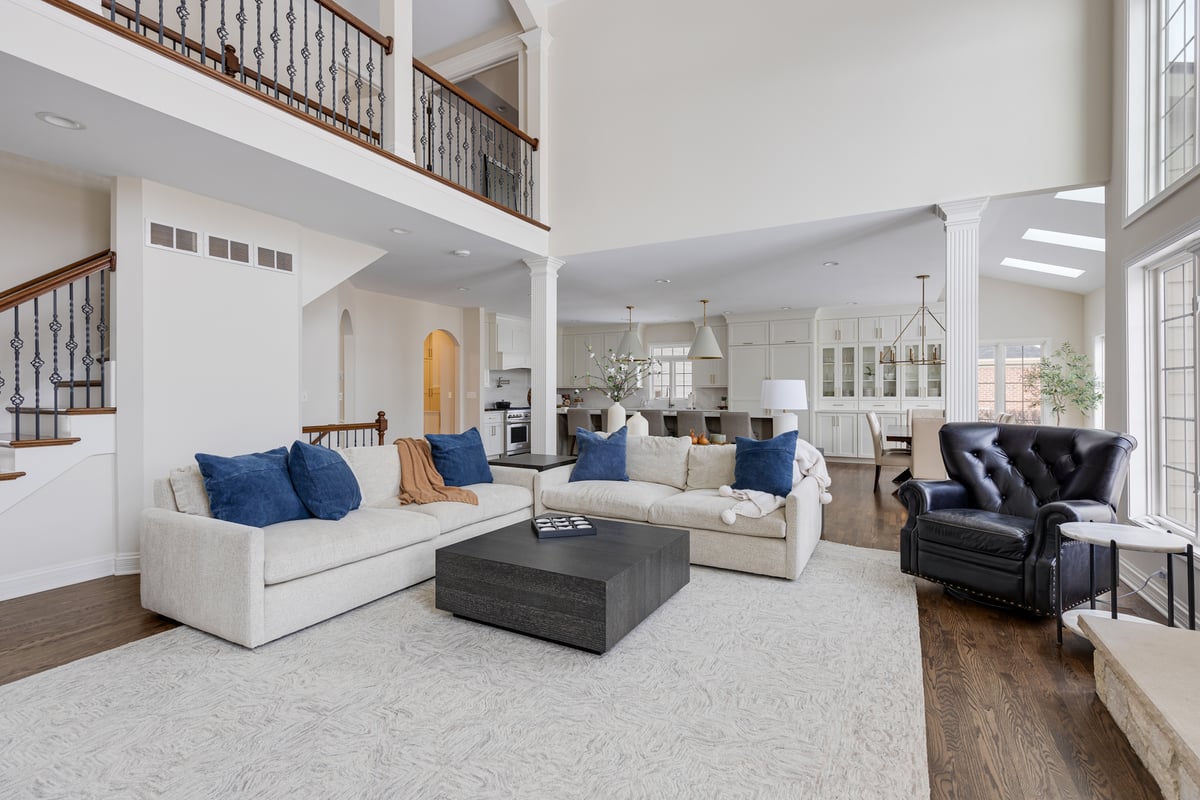
High-quality designers have the biggest impact on custom remodeling, structural changes, complete overhauls, and special styles or features.
-
Custom remodeling: Compared to a pull-and-replace remodel, custom remodeling involves tailored solutions to suit a homeowner's space and personal needs. Custom work demands a designer with skill and attention to detail.
-
Structural remodeling: If the project affects load-bearing elements—such as taking out walls to create an open-concept kitchen or an expanded primary suite with a spa-like bathroom—it's important to have a designer who has expertise and comfort in collaborating with architects or structural engineers.
-
"Down to the studs" projects: A full-scale renovation is a chance to put everything in the right place in one fell swoop. A designer can empower you to take full advantage of that opportunity.
-
Unique stylistic elements: A remodeling designer is crucial if you have a distinct sense of style and want to guarantee a cohesive look and feel throughout your home.
-
Special integrations or features: Designers can optimize plans for special features in your renovation. For example, smart home integration includes adding technology for efficiency and security, but it needs proper design and settings to deliver the most benefit.
Creating Your Dream Home: Custom Home Remodeling Solutions in Greater Chicago
As I've tried to make clear in this post, collaborative design and detailed planning are essential for successful home renovations.
At Hogan Design & Construction, we believe that homeowners should feel comfortable with their design partner so they can effectively communicate their vision and concerns. As a design-builder, we manage the entire project, from design to construction, making sure that the job runs smoothly and lines of communication are always open.
For more than 25 years, we have been serving our friends and neighbors in Chicagoland and the southern Wisconsin region, and we remain passionate about delivering custom remodels with stunning results. If you are thinking about a remodel, we invite you to schedule a consultation with our in-house design team to learn about what we can achieve by working together.